
Electrical Support for Secure Facility Entry
Access Control in Sanford for commercial buildings, warehouses, and industrial facilities managing entry to controlled areas
Reliable power delivery determines whether access control systems function when employees arrive for shifts, deliveries require loading dock access, or after-hours entry becomes necessary. On-Pointe Electric LLC provides electrical services supporting access control installations in Sanford, Waterboro, Dover, and surrounding areas, covering offices, commercial properties, warehouses, and industrial facilities throughout Maine and New Hampshire. Access control systems depend on consistent electrical connections between controllers, door strikes, magnetic locks, card readers, and backup power supplies that maintain security when normal power is disrupted.
This electrical work includes running low-voltage wiring for control signals, installing dedicated circuits for locking hardware, providing power to access controllers, and integrating backup battery systems that keep doors secure during outages. Proper installations account for voltage drop over cable runs to remote doors, protection against electromagnetic interference in industrial environments, and conduit routing that prevents physical damage to control wiring.
Schedule a site assessment to review access control electrical requirements and identify power distribution needs for your facility.
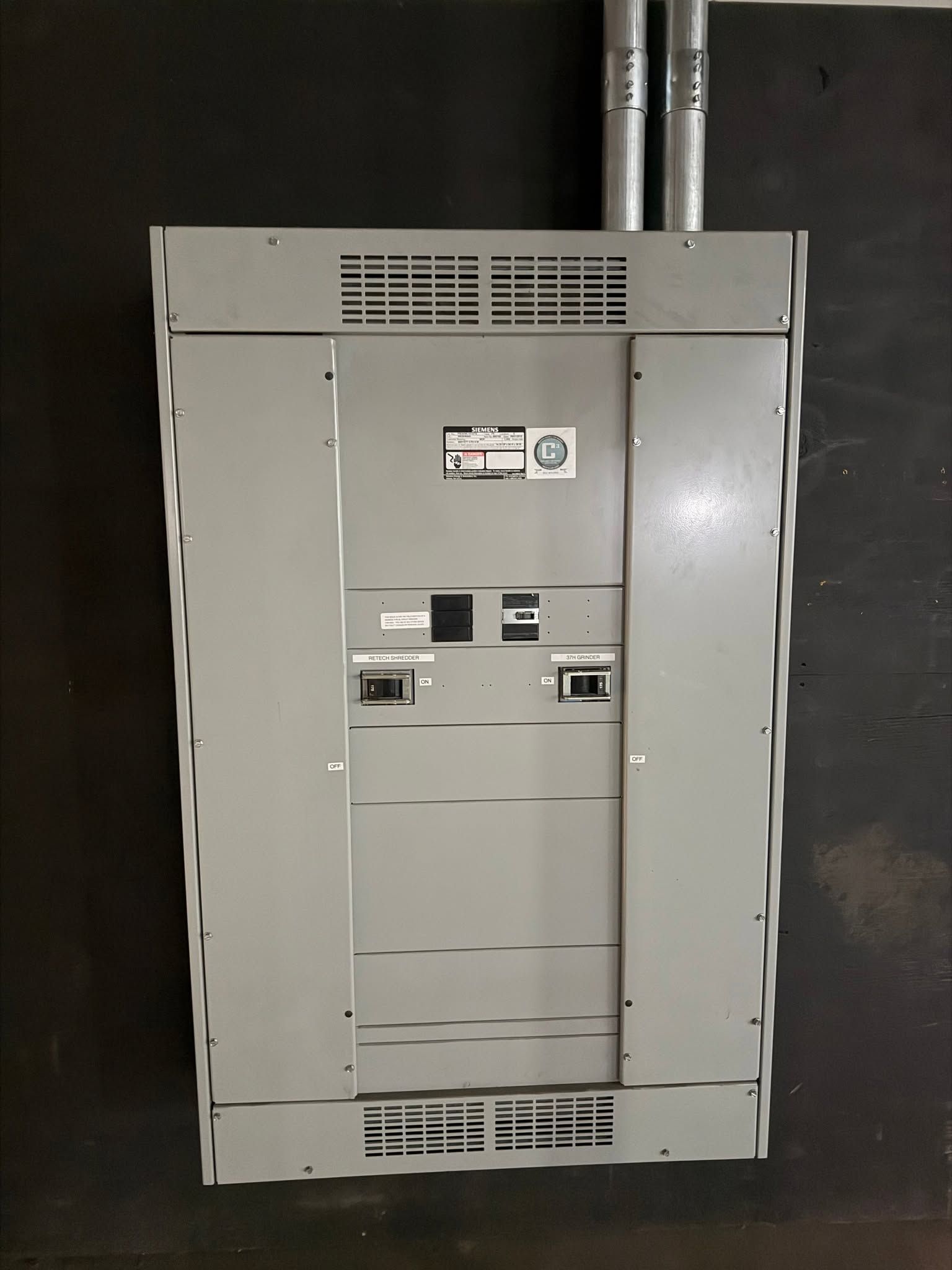
What Changes After Access Control Electrical Work Completes
Access control electrical installations involve mounting enclosures for controllers and power supplies, running conduit between components to protect wiring from damage, and terminating low-voltage cables at readers and locking devices according to manufacturer specifications. Work also includes testing voltage levels at each door to confirm sufficient power reaches locking hardware under load and verifying that backup systems engage correctly when normal power is interrupted.
Once electrical connections are completed, door locks engage reliably when credentials are presented, controllers maintain communication with all readers across the facility, and backup power keeps critical doors operational during outages. Organized wiring also simplifies future troubleshooting, as clearly labeled cables and documented circuit paths allow facility managers to identify and resolve issues without tracing unmarked wires through walls or ceilings.
Electrical support for access control extends beyond initial installations to include testing connections after system modifications, replacing power supplies as components age, and verifying that backup batteries hold sufficient charge to maintain security during extended outages. Regular electrical maintenance prevents failures that could leave doors unsecured or prevent legitimate access during critical situations.
Answers to Frequent Service Questions
Facility managers across the region ask practical questions about access control electrical work before upgrading or expanding security systems.
How does electrical infrastructure affect access control reliability?
Inadequate power delivery causes locks to fail intermittently, readers to lose communication with controllers, and backup systems to drain quickly during outages. Properly sized circuits, correctly installed low-voltage wiring, and sufficient battery capacity ensure components function consistently regardless of facility electrical conditions.
What happens when access control systems lose power?
Systems with properly installed backup power supplies continue operating critical doors during outages, maintaining security for controlled areas while allowing emergency egress. Without backup systems or with undersized batteries, loss of power typically causes magnetic locks to release for safety reasons, which may compromise security in sensitive areas.
Why do industrial facilities in Maine and New Hampshire require specific electrical considerations for access control?
Industrial environments generate electromagnetic interference from motors, drives, and welding equipment that can disrupt low-voltage control signals if wiring is not properly shielded or routed away from high-power circuits. Temperature extremes in unconditioned spaces also affect power supply performance and battery capacity, requiring installations designed for environmental conditions beyond typical office settings.
What does access control electrical troubleshooting involve?
The process includes testing voltage at door strikes and magnetic locks, inspecting connections for corrosion or loose terminations, measuring current draw to identify failing components, and verifying that controllers receive stable power without voltage sags that cause system resets. Diagnostic work determines whether problems stem from electrical issues, failing hardware, or environmental factors affecting equipment operation.
How are access control electrical installations coordinated with existing security systems?
Work involves identifying available circuit capacity near access points, routing conduit to avoid interference with other building systems, and coordinating power requirements with system integrators to ensure electrical infrastructure supports planned components. Proper coordination prevents situations where electrical limitations force compromises in system design or require costly modifications after installation begins.
On-Pointe Electric LLC works with facility managers and security contractors throughout Sanford and surrounding areas to provide electrical infrastructure supporting dependable access control operation. Discuss your access control electrical needs and receive guidance specific to your facility configuration.